

The Park
Visit the Park
The Grimsthorpe Park is now Closed for the 2026 Season. Thank you to all of our visitors this year. If you would like to keep up to date with Grimsthorpe, subscribe to our newsletter, and follow us on social media
Natural Beauty and Wildlife
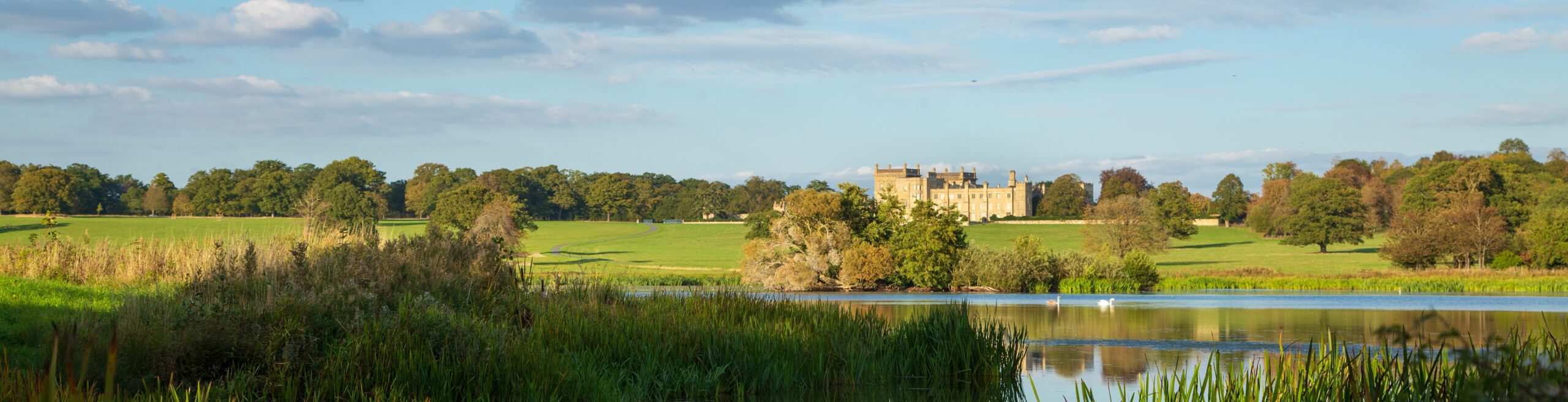
The Grimsthorpe Park is a natural haven waiting to be discovered. Whether you prefer leisurely strolls or a cycling adventure, we have something for everyone.
Visitors can scan our visitor map at the Ticket Hut and follow the trail signs which cover a beautiful walking and cycling route of 3 miles ; a fantastic way to immerse yourself in the park’s charm and uncover it’s hidden gems.
As you wander through the Park, keep an eye out for the diverse wildlife that calls Grimsthorpe home. From Buzzards and Kites, to Swans, Geese and a variety of ducks, the Park is a haven for birdwatchers.
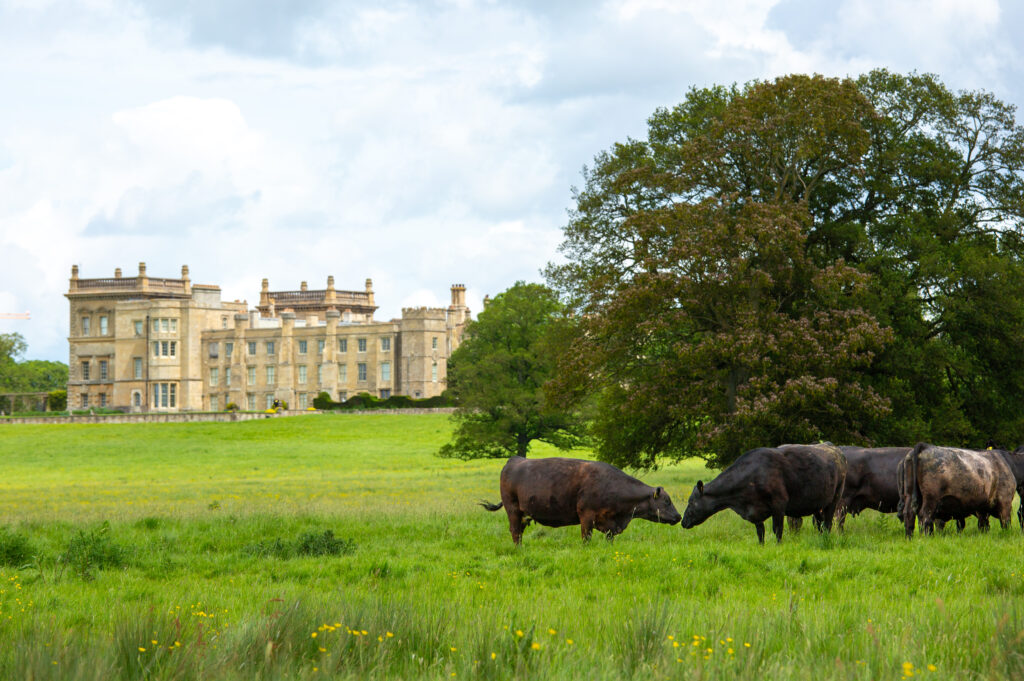
You may also encounter resident Red, Fallow and Muntjack Deer along with many other British mammals. On sunny days you can spot Dragonflies, Damselflies, Butterflies and Beetles.
The Historic Vaudey Abbey
Step back in time to the 12th century when the park at Grimsthorpe was a dense woodland. It was during this period that the Earl of Albemarle granted the use of this land to the Cistercian Order of monks. They sent an abbot and 13 monks from Fountains Abbey to undertake the challenging task of clearing the land and build. The monks named the area “Vallis Dei”, meaning the valley of God, a name that has evolved into The Vaudey.
Under the monks stewardship, the landscape underwent significant changes. They created stews, or fishponds and transformed and enclosed land to hold deer. The wealth of the monastery was based on the wool trade that declined in the 14th century and by the time of the Abbey’s dissolution in 1536, ordered by King Henry VIII, only a few monks remained.
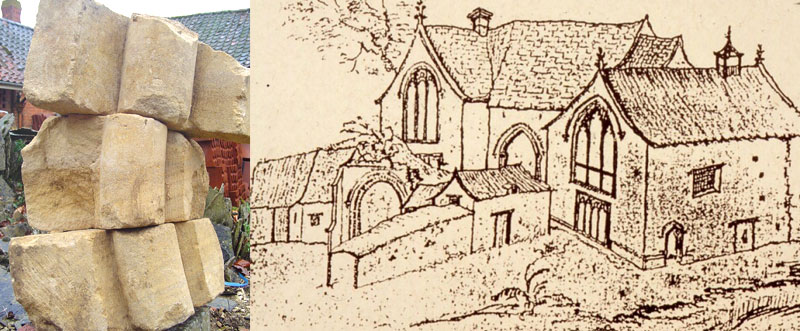
As time passed, the Abbey’s once-majestic buildings gradually faded away, with little remaining by 1736. Local antiquarian, William Stukeley, made note of this in his writings, stating that “the foundations of the ruins of the abbey generally remain from the gatehouse to the dovecote.”
Intriguingly, in 2006, during riverbed excavation work, three substantial pieces of carved stone were discovered. These stones, as seen in the accompanying photo, hint at the possibility of once belonging to an archway, offering a tantalizing glimpse into the past of Vaudey Abbey.